
Key Takeaways
- PRP and PRF both come from a patient’s own blood, but the fibrin structure in PRF may change how growth factors are released over time, without clear proof that it beats PRP overall
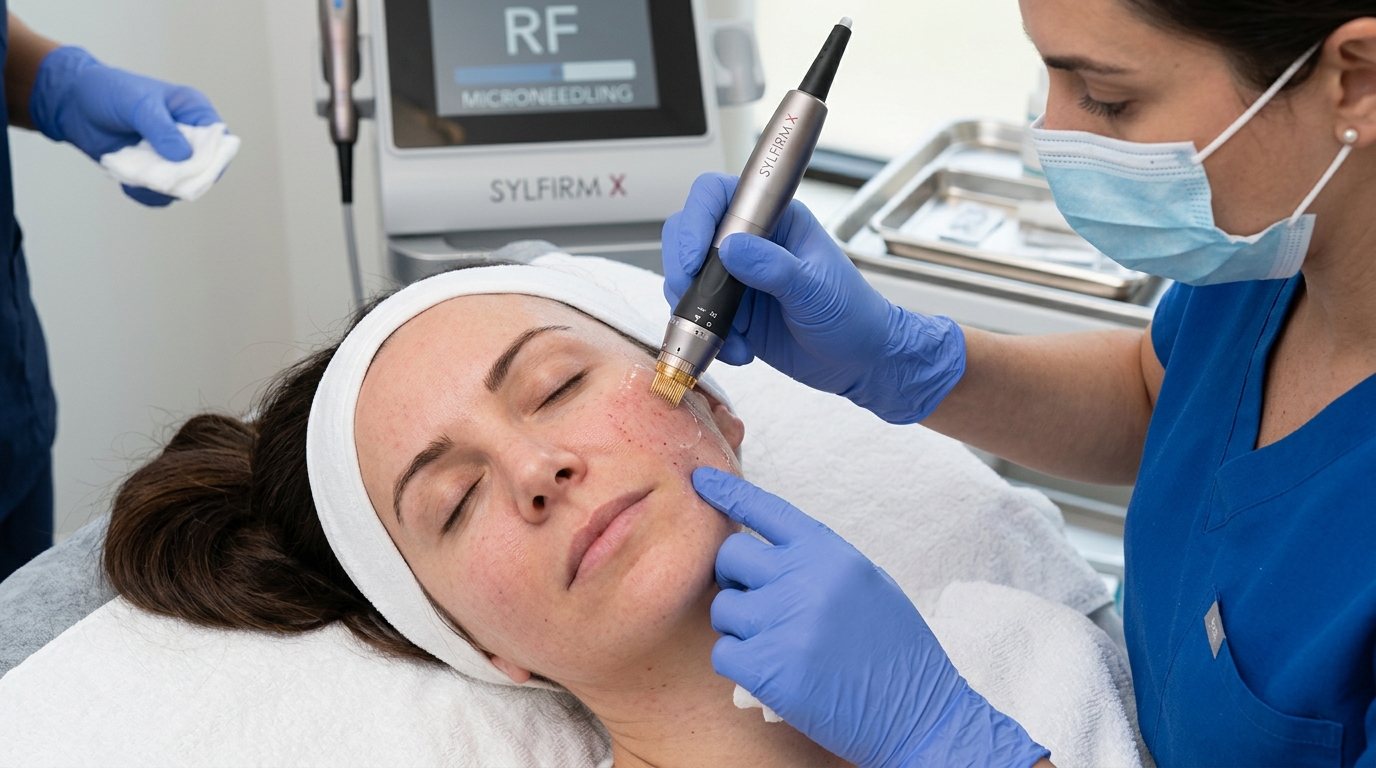
- RF microneedling combines tiny needles with radiofrequency energy to remodel collagen directly, making it a common choice for uneven texture, some acne scars, and mild skin laxity
- Exosome boosters remain an early-stage option, with limited human clinical evidence and wide variation in product sourcing and quality, so checking the exact product and regulatory status matters more than trying the newest option
- Pairing RF microneedling with PRP or exosomes does not automatically produce better outcomes, since every added procedure brings extra cost and potential risk
- Which treatment fits best comes down to the specific skin concern being addressed, a question worth discussing before booking anything in Seoul
Four Treatments, One Key Question
Seoul’s skin clinics offer a long menu of regenerative treatments, and four names keep coming up in conversations among visitors planning a rejuvenation trip: PRP, PRF, exosome boosters, and RF microneedling. Each one works through a different biological pathway, and each has a different amount of research behind it. Understanding those differences matters more than chasing the newest-sounding option, because the right treatment depends on the skin concern being treated rather than on how advanced a therapy sounds in a clinic brochure.
More procedures or a trendier-sounding product do not automatically add up to better skin. A treatment plan built around an actual skin concern, with realistic expectations about evidence and recovery, tends to serve patients better than a combination chosen simply because it includes everything available. For a closer look at how PRP and PRF are used and paired with other technologies in Korean clinics, Lydian Cosmetic Surgery Clinic’s breakdown of PRP and PRF treatment in Korea offers useful context for visitors comparing options.
The sections below walk through what each treatment actually does, what current evidence says about effectiveness, and how to think about combining them without overspending or taking on unnecessary risk.
PRP and PRF: Blood-Derived, Not Identical
PRP and PRF both start the same way: a small blood sample is drawn and spun in a centrifuge to concentrate specific components. PRP isolates platelet-rich plasma, which contains growth factors tied to wound healing and tissue repair. PRF takes this a step further by producing a fibrin-rich structure that holds onto platelets and white blood cells rather than releasing everything right away.
Because both treatments use the patient’s own blood, the appeal is similar: a regenerative approach that avoids synthetic fillers or implants. The difference lies in structure and timing, not in the basic biological material being used.
How Fibrin Changes Growth-Factor Release
The fibrin matrix in PRF is the key structural difference from PRP. A 2023 clinical comparison published in a Wiley journal found that this fibrin network can trap platelets and leukocytes, allowing growth factors to release over a more sustained period rather than all at once. In theory, that slower release could support tissue repair over a longer window compared to standard PRP preparations.
In practice, the picture is more mixed. The same research found that PRF showed only marginally better results than PRP for certain canthal-area cosmetic measurements at the three-month mark, and that small edge did not hold up at later follow-ups. Side effects, pain levels, and overall patient satisfaction were similar between the two treatments, suggesting the fibrin structure does not automatically translate into a dramatically different patient experience.
Is PRF Really an Upgrade From PRP?
The idea that PRF is simply a newer, improved version of PRP is common in marketing, but the research does not fully support that framing. A 2025 systematic review from the National Library of Medicine concluded that current evidence does not establish PRF as superior to PRP overall. Instead, the review found that each treatment seemed to have its own strengths: PRF showed promise for periorbital texture and fine lines around the eyes, while PRP appeared more effective for addressing pigmentation.
Longevity also varies by concern. The same review noted that PRF improvements for some measures often diminished by six months, while PRP results for pigmentation tended to hold steady over a similar timeframe. This means the better choice between PRP and PRF depends heavily on what is being treated, rather than one treatment being a blanket upgrade over the other. Both treatments share a similar side-effect profile, including temporary swelling, redness, and bruising, so comfort and downtime are unlikely to be the deciding factor either way.
Exosome Boosters: Promising but Unproven
Exosomes are tiny vesicles released by cells that carry biological signals involved in cell-to-cell communication. Researchers are studying whether exosome-based products can support skin repair, reduce visible signs of aging, or calm inflammation when applied during a facial treatment. In Seoul clinics, exosome boosters are often discussed as an add-on to microneedling, laser treatments, or other resurfacing procedures rather than as a stand-alone therapy.
The interest is understandable, since early research hints at real potential. A twelve-week split-face trial reviewed in a 2026 National Library of Medicine summary found that microneedling combined with adipose stem-cell-derived exosomes improved hydration, elasticity, and pigmentation more than microneedling alone, with visible benefits appearing by the six-week mark. A broader 2026 evidence review from Wiley, however, cautioned that evidence on microneedling combined with exosomes still suggests only possible short-term benefit, with more research needed before safety and effectiveness can be considered well established.
Why Product Quality and Sourcing Matter
One detail worth understanding clearly: most exosome-based products do not contain living stem cells. They are cell-derived materials, not stem cell injections, and confusing the two can lead to unrealistic expectations about what the treatment can do.
Regulatory oversight adds another layer of complexity. A 2026 regulatory and safety review published through Wiley noted that exosome products used for dermatologic purposes have not received U.S. FDA approval, and long-term safety data remain limited. Regulatory classification of exosome therapies also varies by country and remains unclear in many places. Combined with the fact that commercially available products can differ significantly in source, composition, purity, and manufacturing quality, patients considering an exosome booster should ask specific questions before treatment: what exactly is in the product, how it will be applied, and what regulatory approvals or standards it meets in the country where it is manufactured.
RF Microneedling: Direct Collagen Remodeling
RF microneedling takes a different approach entirely. Instead of relying on biological material from blood or cells, it uses fine needles to create controlled micro-injuries in the skin while simultaneously delivering radiofrequency energy into targeted layers. This combination, as described in a 2026 complications review published through Springer Nature, triggers the body’s natural wound-healing response and stimulates collagen production and dermal remodeling over time. Because the mechanism is more direct and has been studied for longer, RF microneedling tends to have a clearer evidence base than exosome boosters, even though results still depend heavily on technique, depth settings, and the practitioner’s experience.
Best-Suited Skin Concerns
RF microneedling is typically considered for a specific set of concerns rather than as a universal fix:
- Fine lines and mild wrinkles
- Uneven skin texture
- Enlarged-looking pores
- Certain types of acne scars
- Mild skin laxity
Improvements tend to build gradually, often becoming noticeable over several weeks to months as the skin remodels collagen beneath the surface. This slower timeline is part of why RF microneedling is often framed as a texture- and firmness-focused treatment rather than an instant transformation.
Common and Rare Side Effects
Most people who undergo RF microneedling experience some combination of redness, swelling, and sensitivity immediately afterward. The Springer Nature complications review notes that these effects are temporary and typically resolve within about a week.
Less common but more serious complications are worth knowing about before booking a session. The same review lists burns, pigmentation changes, scarring, persistent post-inflammatory hyperpigmentation, tram-track scarring, granulomatous reactions, infection, and unwanted fat loss among the rarer risks, particularly when treatment settings or needle depth are not well matched to the patient’s skin. This highlights why practitioner experience and proper calibration matter as much as the technology itself.
Do Combination Treatments Work Better?
Clinics commonly pair RF microneedling with PRP, PRF, or exosome boosters, with the idea that collagen stimulation from the needles combined with growth factors or cell-derived signals might produce a stronger result than either treatment alone. Some supportive studies exist for pairing RF microneedling with PRP specifically, though results vary from patient to patient and concern to concern.
For microneedling paired with exosomes, the evidence is earlier-stage, as noted above, with promising short-term signals but not yet a firmly established safety and effectiveness profile. Combining treatments can address multiple concerns within one visit, but it does not guarantee a multiplied benefit. Each additional product or procedure adds cost and a bit more exposure to potential side effects, so a combination should be chosen based on a genuine clinical reason rather than an assumption that more is always better.
Planning Costs and Session Counts
Budgeting for skin rejuvenation treatments in Korea requires some flexibility, since prices vary by clinic, treatment area, and number of sessions. As a general planning guide, illustrative figures suggest PRP facial rejuvenation may run around $500 per session, PRF facial rejuvenation around $600 per session, RF microneedling around $700 per session, exosome skin boosters at $1,000 or more, and RF microneedling with regenerative add-ons at $1,200 or more. These figures are meant only as a rough starting point for planning conversations, not as confirmed pricing at any specific clinic or a verified nationwide average, and actual costs should always be confirmed directly with a provider.
Session counts follow a similarly case-by-case pattern. PRP and PRF treatments are often delivered as a series of appointments rather than a single visit, and RF microneedling is also commonly performed across multiple sessions to build up collagen remodeling gradually. Visible improvements from collagen stimulation can take anywhere from several weeks to a few months to become noticeable, and no universal schedule guarantees lasting results for every patient. For exosome-based treatments specifically, standardized session recommendations and long-term effectiveness data have not yet been firmly established, which is one more reason to treat exosome boosters as a complementary option rather than a core part of a treatment plan until more research is available.
Before booking anything, it helps to ask whether a quoted price includes the initial consultation, numbing or anesthesia, the treatment product itself, follow-up visits, and any additional sessions the clinic recommends as part of a full plan.
Matching the Treatment to Your Skin Concern
The most effective approach starts with the specific concern rather than with whichever treatment sounds most advanced. For uneven texture or certain acne scars, RF microneedling tends to be the more directly relevant option, given its established mechanism for stimulating collagen remodeling. For those drawn to blood-derived regenerative treatments, PRP or PRF are worth discussing with a provider, along with a clear conversation about the evidence limitations outlined above, since neither one is a guaranteed upgrade over the other for every concern.
Exosome boosters remain the newest and least-established of the four options. Anyone considering one should pay close attention to the specific product being used, how it will be applied, and what regulatory status it holds, rather than assuming newer automatically means better. A thoughtful treatment plan weighs the actual skin concern, the strength of the supporting evidence, and realistic expectations about timeline and cost, rather than defaulting to the longest or most expensive combination available. For anyone comparing options ahead of a trip, reading more about PRP and PRF treatment approaches used in Korea is a reasonable starting point before a consultation.
A good first step for international visitors is to bring a clear list of skin concerns and questions to a consultation, so any recommended skin rejuvenation treatment can be matched to actual goals rather than to whatever happens to be trending that season.
Lydian Cosmetic Surgery Clinic
lydian6959@gmail.com
+82-10-9692-5508
836 Nonhyeon-ro, Sinsa-dong, Gangnam
Seoul
Seoul
06025
Korea, Republic of


