The company’s MAGIC system steers signal instead of spraying it. Works with existing radios. Minimal integration required. Just swap the antenna.
CAMBRIDGE, MA / ACCESS Newswire / May 14, 2026 / Notch is building software-defined antennas for drones, ground stations, vehicles, and wireless platforms that need more range without changing the radio. Most fielded systems still rely on omnidirectional antennas. That makes sense: omnis are simple, proven, low-cost, and easy to integrate. But they also radiate energy in every direction at once.
In congested, long-range, or interference-heavy environments, that becomes a real limitation. A lot of RF energy goes where it is not useful, while the link still depends on enough signal reaching the receiver.
The Notch MAGIC Series is designed to solve that problem with a drop-in antenna upgrade.
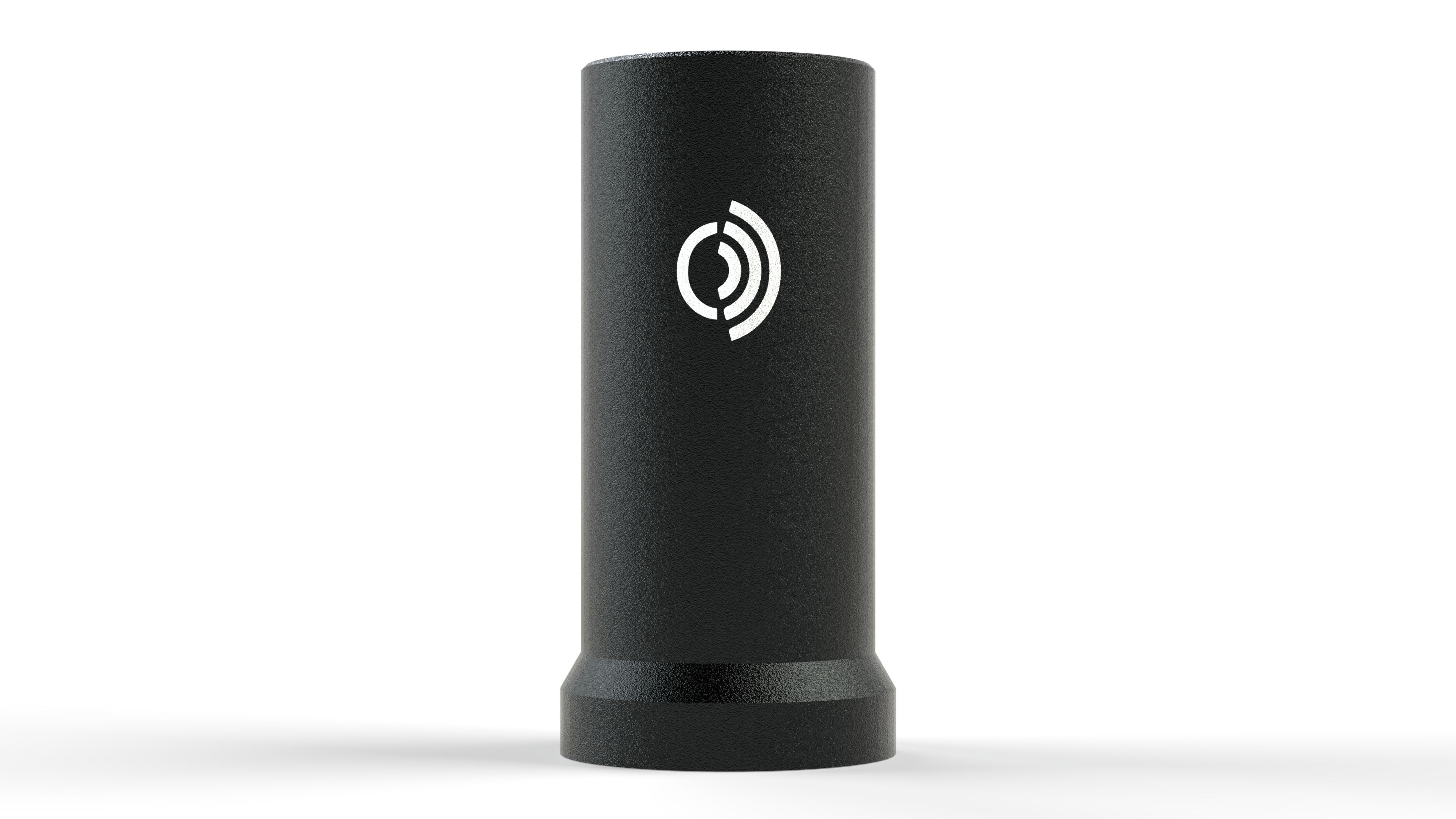
MAGIC WIZARD is built for ground stations, vehicles, and fixed installations. MAGIC ELF is built for smaller drone platforms where size, weight, and power matter. Both are designed to work with existing radios and standard RF interfaces, with minimal system integration required.
Instead of replacing the radio, MAGIC changes what the antenna can do.
Using electronically reconfigurable metamaterial structures, MAGIC systems can shape and steer RF energy across 360 degrees of azimuth coverage with no moving parts. That gives operators directional-link benefits without the size, weight, power, and cost burden of traditional phased-array hardware.
In current configurations:
-
MAGIC WIZARD weighs approximately 700 grams, draws under 600 mW, and can deliver more than 2× effective range improvement versus a standard omni antenna.
-
MAGIC ELF weighs approximately 250 grams and is designed for payload-constrained drone platforms that need improved link performance without a heavy RF upgrade.
“We’ve spent decades optimizing radios, but the antenna, the first point of contact with the RF environment, has remained mostly static hardware,” said Shahriar Khushrushahi, founder and CEO of Notch. “We are turning it into a software-defined system that can be configured, updated, and improved over time.”
That is the larger shift that Notch cares about. MAGIC isn’t just a better antenna. It is an antenna that improves over time. The hardware provides the RF platform; software updates keep refining the antenna patterns and performance.
For drone companies, the value is immediate: more reliable links, longer effective range, and improved performance in RF environments where standard omni antennas start to struggle.
For radio and wireless system providers, the opportunity is broader: the antenna can become part of the software-defined RF stack rather than a fixed, passive component at the edge of the system.
Initial MAGIC configurations are available now, with broader ISM-band coverage planned across the product line in the coming months. Notch is also developing a lighter WIZARD-class variant for Group 1 UAV applications where every gram of payload matters.
MAGIC is the first step in a broader software-defined metamaterials roadmap.
Later this year, Notch plans to introduce additional products including GShield, a 1 mm conformal GPS anti-jam retrofit for unmanned aircraft that has already been tested on a major defense manufacturer’s platform, and masterBLASTER, a low-cost anti-jam system for UAV, UGV, and USV platforms. Both extend Notch’s software-defined metamaterial approach into new application areas.
Drones are scaling quickly. Spectrum is getting more crowded. Operators are running into the limits of static RF hardware.
Software-defined radios changed wireless.
Notch believes software-defined antennas are next.
About Notch
Notch develops adaptive antenna systems using proprietary metamaterial technology. For more information, visit https://www.notchtechnologies.com/.
CONTACT:
Mark O’Toole, mark@marketing101.agency
SOURCE: Notch
View the original press release on ACCESS Newswire